
The concept of a "Tamil Homeland"—the contiguous areas of the North and East of Sri Lanka—is under a slow, systematic, and state-sponsored threat. Since the island's independence in 1948, planned migration has been used as a strategic tool to dismantle the territorial integrity of the Tamil people.
1. The Historical Roots: Demographic Engineering
From the early days of D.S. Senanayake to modern-day projects, "development" has often been a mask for changing the ethnic composition of Tamil areas.
The Gal Oya Scheme: Initiated in the 1950s, this was one of the first major irrigation projects that moved thousands of Sinhalese settlers into the Eastern Province (Ampara).
The Strategy: By settling a different ethnic group in the border areas between the North and East, the state aimed to create a "wedge" to break the geographical continuity of the Tamil-speaking regions.
2. Modern Forms of Sinhalization (2009–Present)
Since the end of the war in 2009, the pace of migration and land takeover has accelerated under new pretexts:
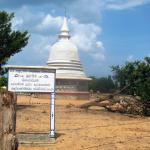
Archaeological "Discoveries": The Department of Archaeology, often backed by the military, identifies ancient sites in the North and East as "Sinhala-Buddhist" heritage. This allows the state to seize Tamil-owned lands and build Buddhist Viharas (temples) in areas where no Buddhist civilians live.
The Mahaweli 'L' Zone: In districts like Mullaitivu and Vavuniya, vast tracts of land are being redistributed to Sinhalese settlers under the guise of irrigation development, effectively displacing local Tamil farmers who have lived there for generations.
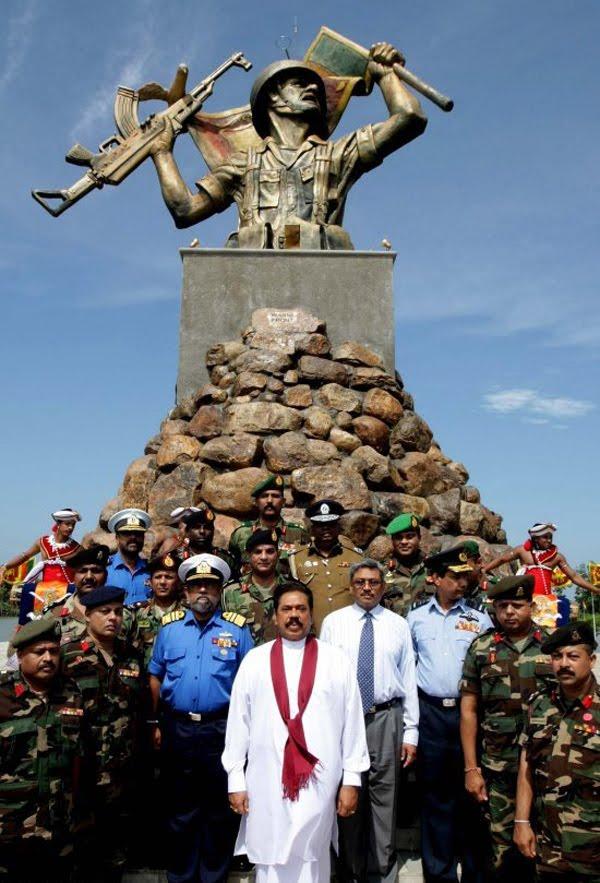
Militarization: The presence of a massive military occupation in the North and East provides the security and infrastructure needed to establish and expand these new Sinhalese settlements.
3. Trincomalee: The Targeted Frontier
Trincomalee is perhaps the most critical example. As a strategic port city, it has seen its demographic balance flipped over the decades. Today, in areas like Kuchchaveli, state departments continue to seize coastal land for "tourism" and "forest conservation," only to later facilitate Sinhalese settlement in those same zones.
4. Structural Genocide: A Violation of International Law
The systematic alteration of the demographic character of a traditional homeland is recognized by human rights experts as a form of Structural Genocide. It is not just about moving people; it is about:
Diluting the political power of the Tamil people.
Erasing the cultural and linguistic history of the land.
Preventing any future claim to self-determination by making the region "ethnically mixed."
Conclusion: Defending the Soil
At Thesakural, we recognize that the struggle for freedom is inseparable from the struggle for land. Without our land, our history is erased. Documenting these migrations and resisting the illegal takeover of our territory is the first step in ensuring the survival of the Tamil nation.

Leave a comment
Your email address will not be published. Required fields are marked *