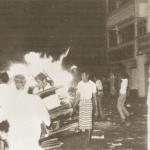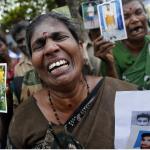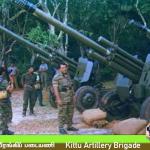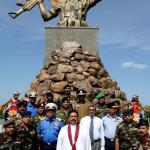

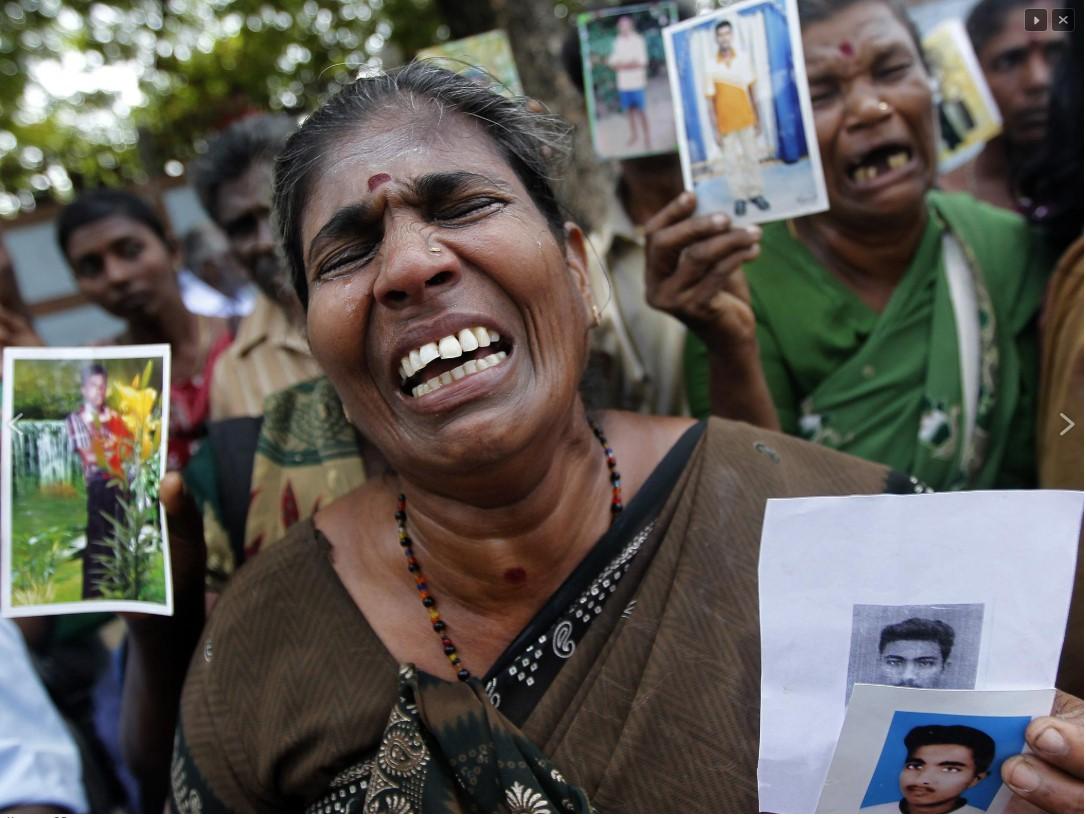
For the Tamil people, the wounds of the final stages of the war are not just memories; they are ongoing demands for justice. As documented by international bodies like Amnesty International, there is mounting, undeniable evidence of war crimes and crimes against humanity committed by the Sri Lankan state forces.
At Thesakural, we believe that true reconciliation cannot happen without accountability. Here is why the international community, specifically the United Nations, must lead a comprehensive investigation.
1. New Evidence of Atrocities
In recent years, new video evidence and satellite imagery have surfaced, depicting summary executions, the shelling of "No Fire Zones," and the systematic targeting of hospitals and civilian infrastructure. These are not just "collateral damage"—they are clear violations of the Geneva Convention.
2. The Failure of Domestic Mechanisms
For over a decade, the Sri Lankan government has promised "internal investigations." However, these have consistently failed:
- Conflict of Interest: The very institution accused of the crimes (the state and its military) cannot be expected to investigate itself.
- Lack of Political Will: Successive governments have protected high-ranking military officials implicated in atrocities, often promoting them to diplomatic or ministerial positions.
- Intimidation of Witnesses: Survivors and families of the "disappeared" in the North and East face constant surveillance and harassment, making it impossible for them to testify safely within a domestic framework.
3. Systematic Nature of the Crimes
The evidence suggests that the violence was not the work of "rogue soldiers" but a systematic policy. From the Vanni embargo (which blocked food and medicine to civilians) to the white flag massacres (where surrendered individuals were executed), these acts point to a coordinated effort by the state leadership to target the Tamil population.
4. The Moral Responsibility of the UN
In 2009, the UN admitted to a "systemic failure" in protecting civilians during the final months of the war. An independent UN investigation is not just about legal justice; it is about the UN fulfilling its mandate to uphold human rights globally.
Conclusion: Justice Delayed is Justice Denied
The Tamil diaspora and the people in the homeland continue to demand an independent, international mechanism. Until the perpetrators are brought before a court of law, the cycle of impunity in Sri Lanka will continue to fuel instability and oppression.
Thesakural stands with the victims and their families in their unwavering pursuit of truth. We call on the UN and the international community to move beyond resolutions and take concrete action toward an International Investigative Mechanism.

Leave a comment
Your email address will not be published. Required fields are marked *